
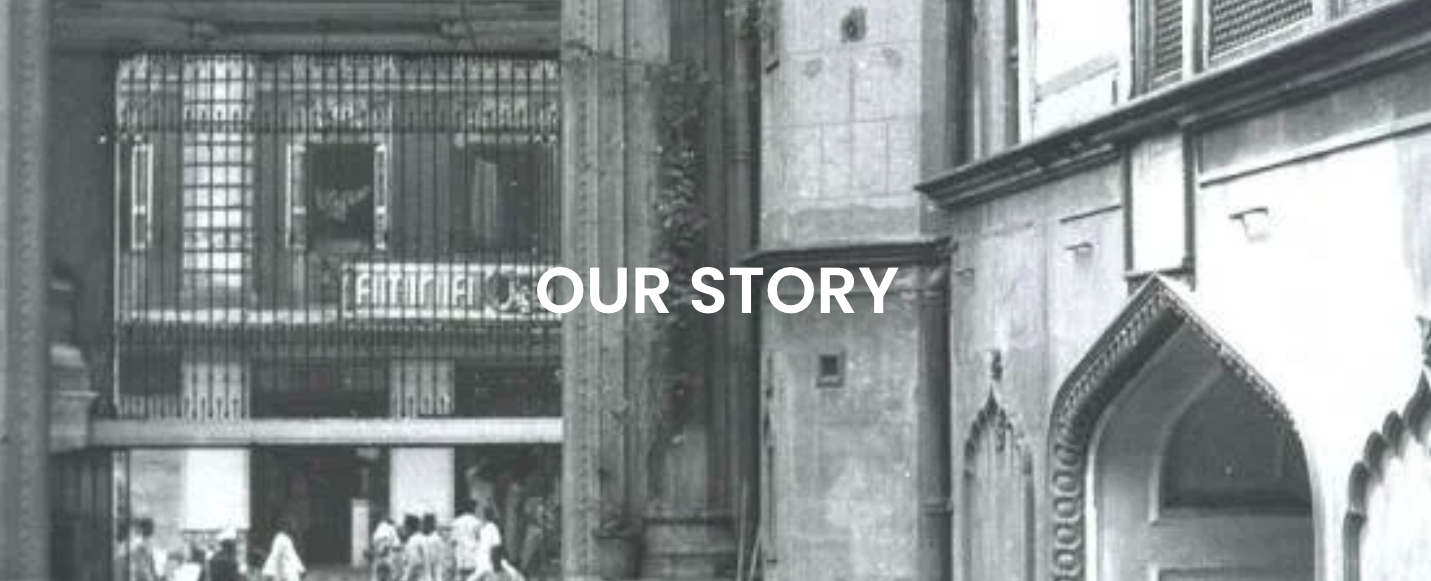
Aminia’s story began almost a century ago with a young Md Amin on Zakaria Street, who refused to budge until his father, Abdul Rahim, agreed to buy a small local eatery. That moment marked the beginning of something special.
With Abdul Rahim’s vision and dedication, the modest shop evolved into Aminia—now a name deeply rooted in Kolkata’s food culture. Known for its signature Mughlai and Awadhi dishes, Aminia became a go-to for generations of food lovers, freedom fighters, and families alike.
Seasonal favourites like Nehari in winter and Haleem during Ramadan became part of the city’s rhythm. Every dish told a story—of heritage, care, and authenticity.
Today, Aminia stands tall with multiple branches across West Bengal, Delhi, and a new presence in Dubai. More than just a restaurant, it’s a living legacy of flavour, family, and timeless tradition.
Aminia’s story began in the 1930s, when a young Md Amin insisted his father, Molvi Abdul Rahim, buy a small eatery on Zakaria Street. True to his word, Abdul Rahim did just that—and named it after his son.
Coming from a family of freedom fighters and zamindars from Daryabad, Uttar Pradesh, Abdul Rahim brought with him a legacy of resilience and pride. Under his care, Aminia grew from a humble “phelwan ka hotel” to a culinary landmark known for its hearty breakfasts, paya soup, and winter Nehari.
After his passing in 1940, his sons carried the legacy forward—introducing new ideas, expanding the menu, and opening more outlets across the city. From serving freedom fighters to families, Aminia became part of Kolkata’s cultural fabric.
Today, with branches across West Bengal, Delhi, and Dubai, Aminia continues to honour its roots—serving timeless flavours with pride, tradition, and love.
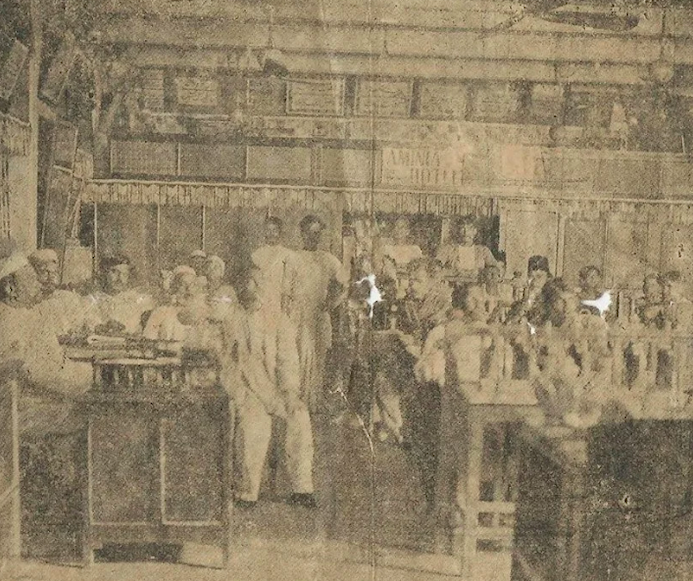
A photograph of Aminia, Zakaria Street’s dining hall in the 1930s. Abdul Rahim can be seen sitting with a white topi and kurta pyjama, at the cash desk on the left of the photograph.
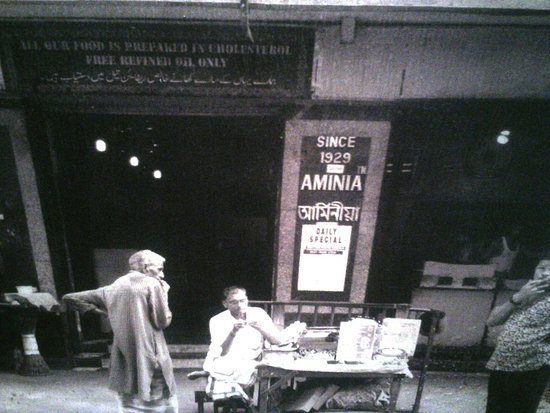
An image captured from Aminia Zakaria Street, the oldest branch of Aminia. Taken in the 1970s, the image shows the original sign of Aminia, from 1929.
Founders of Aminia

Abdul Rahim
Founder
The founder of Aminia Abdul Rahim set up Aminia in 1929, bringing Mughlai cuisine to Bengal and inventing the famous Kolkata biryani. His dream was to feed the Muslim worshipers that would pray in Nakhoda Mosque on Zakaria Street, Kolkata.

Mohammed Amin
2nd Generation
Aminia was named after him. He took over running Zakaria Street after the passing of his father and opened the second branch of Aminia in New Market, Kolkata in 1947 with his brother. Also a passionate chef, he created many of Aminia’s legacy dishes and paved the way for its growth while making Aminia a beloved household name.

Abdul Quaiyun
2nd Generation
Brother of Mohammed Amin and a key figure in Aminia’s early years. He served as his right-hand man, supporting daily operations and ensuring the vision was carried through. His dedication played an important role in strengthening Aminia’s foundation and growth.
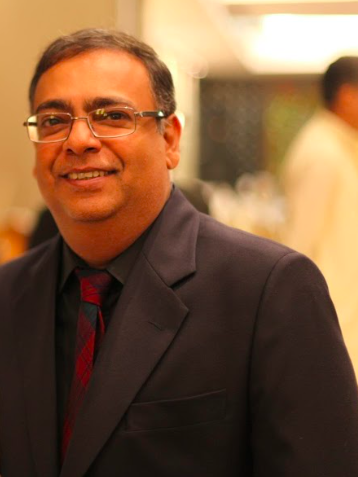
Nadim Amin
3rd Generation
Son of Mohammed Amin and a passionate chef with a deep love for food. Nadim operated the iconic Zakaria Street outlet and inspired Aminia’s fine-dining venture, Southern Aminia in Golpark, established in 1997. He drove the brand’s expansion across Kolkata, while also helping establish Aminia in Delhi and opening in Long Island, New York. His vision was to bring Aminia to Dubai after visiting in 2019 — a dream proudly fulfilled by his children in 2024.
Legacy Through Pictures
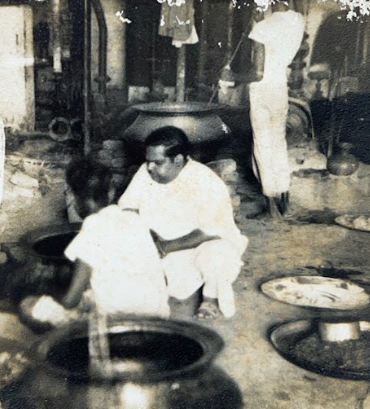
Aminia Restaurant uses a variety of traditional cooking techniques that help develop rich flavour and aroma. Mr Mohammed Amin is seen here at the original outlet of Aminia on Zakaria Street, seated with his chefs and overseeing the cooking process to ensure everything is prepared to the highest standard.
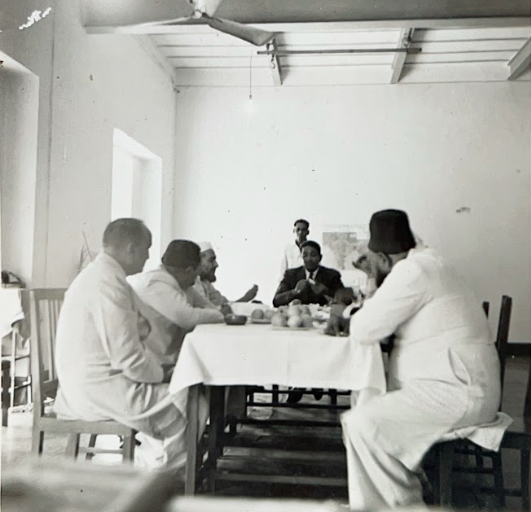
Men are seen gathered in the original dining hall of Aminia on Zakaria Street, sharing lunch after Friday prayers opposite the mosque, Nakhoda Masjid. The moment reflects the long-standing tradition of community dining, where guests come together to enjoy simple, freshly prepared meals in a shared space that has served generations.
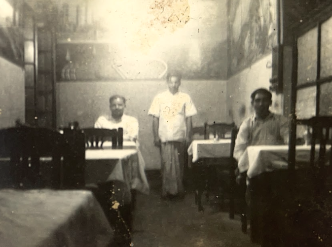
This photograph was taken in the early days of Aminia on Zakaria Street, when it first opened as a modest, simple restaurant. At the time, only a few waiters served the food, which would later become widely known, to local worshippers who gathered after prayers to share a basic meal. It reflects the humble beginnings of a place that would go on to become a landmark of Kolkata’s culinary heritage.
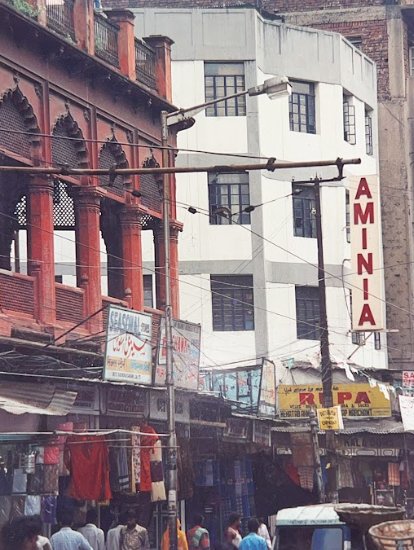
Above Aminia Restaurant on Zakaria Street was the Aminia Guest House, which was once one of the most popular hotels in the local area. The rooms offered beautiful views of the iconic Nakhoda Masjid, making it a truly special place for guests. It was especially valued within the local Muslim community, as well as by travellers arriving from the outskirts of West Bengal and Bangladesh, who sought a safe and welcoming Muslim neighbourhood to stay in while visiting the city.
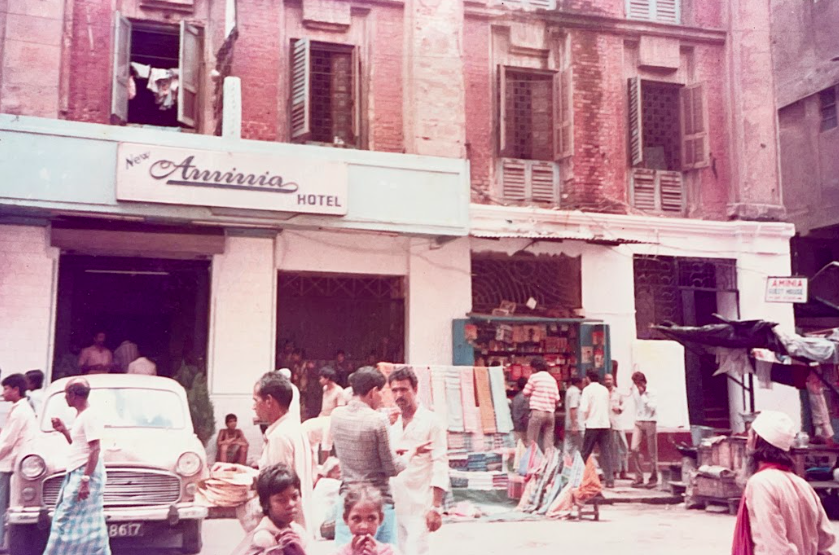
For many years, Aminia Restaurant and Hotel on Zakaria Street remained a key destination for the authentic taste of Kolkata-style biryani. It was a place where loyal guests gathered to experience the brand’s original flavours and heritage. The establishment was under the care of Mr Nadim Amin, the third-generation owner of Aminia, who helped sustain its importance and legacy. After managing Zakaria Street and opening Southern Aminia in Golpark, he went on to further expand the brand while preserving its traditional roots.
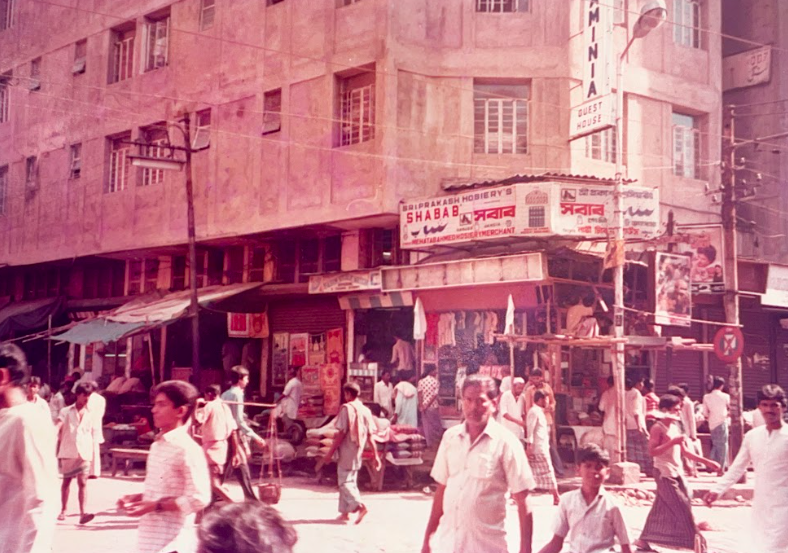
When The Amins of Aminia visit Zakaria Street, they continue to feel a deep connection to the street and the original building where their family’s journey began. Their roots are firmly tied to this neighbourhood, and even today, as they walk through the area, they are warmly recognised by local shopkeepers, mosque management, and long-standing customers who remember the legacy of Aminia over generations.